Saying goodbye to Pete Yeatman, an embedded computing pioneer
Key Highlights
Summary points:
- Pete Yeatman, longtime figure in the embedded computing world and former president of Radstone Technology, passed away in December at age 79.
- Known for his sharp insights and outspoken critiques, Yeatman challenged conventions and inspired higher standards across the defense electronics community.
- As publisher of COTS Journal and mentor to many, Yeatman’s bold honesty and passion for innovation left an enduring mark on aerospace and embedded computing journalism.
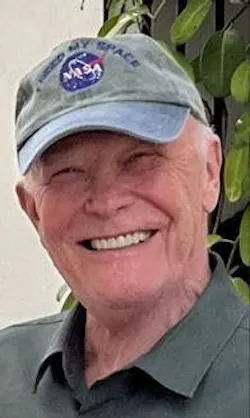
NASHUA, N.H. – Pete Yeatman, for decades one of the best-known people in the embedded computing business, died in December in Florida at age 79. In his lifetime he had been president of noted VMEbus practitioner Radstone Technology, publisher of COTS Journal magazine, and was among the most controversial, insightful, sometimes-irritating, and always-entertaining personalities who ever crossed the embedded computing industry stage.
Pete Yeatman always had been one of my favorites. He'd make his presence known at any meeting he attended, raising his hand to skewer industry convention, empty promotion, and half-baked ideas with a keen eye developed since the 1960s in the aerospace and defense industry. He could rub people the wrong way, but his comments and observations almost always rang true.
Most people involved in embedded computing, if they've been around long enough, have at least a few Pete Yeatman stories to tell. One of mine involved dinner on a cold, foggy night in Washington probably back in the mid-1990s not long after I took over as chief editor of Military & Aerospace Electronics. I thought it would be a relaxing time with friends, but it turned out to be a session in tough-love that's remained with me all these years, and helped shape my approach to technology reporting.
With little fanfare, Pete told me straight-out that he wasn't happy with the direction the magazine was taking since I became its editor. Too many things in the magazine, he said, were what he had read elsewhere, and were not bringing much to our readers. It was a wakeup call that I needed -- although I didn't know it at the time. After all, I thought I was doing fine as one in a pack of what then was a large number of defense electronics trade journals. It took Pete Yeatman to bring me down to Earth, and I've always been grateful to him for it.
Changing minds
That night, after dinner, I trudged alone and bundled-up against the cold to the nearest Metro station mulling what Pete had told me. I didn't know if I should feel mad, disrespected, or hurt, but I did know this: I had to make some changes -- to the magazine and to myself. I realized that I had to concentrate on creating unique, can't-read-it-anywhere-else content for the magazine, lest I make the publication mediocre and negligible in our market.
Since then, I've shied away from press announcements and corporate fluff to find real events that shape our industry and help companies succeed, and I have Pete Yeatman to thank for it.
In later years, after Pete had retired to South Florida -- what he referred to as God's Waiting Room -- he used to drop me friendly emails once or twice a year just to say something uplifting. "You've been writing your ass off, I see," was something typical. He was always there with criticism and encouragement. He made many of us better at what we do.
So it's with sadness and reflection that I bid goodbye to Pete Yeatman, one of the most memorable characters I've ever run across in my career as a military and technology reporter that spans nearly 45 years. He was one of a kind.
