Artemis II and the Ground Systems Behind the Mission
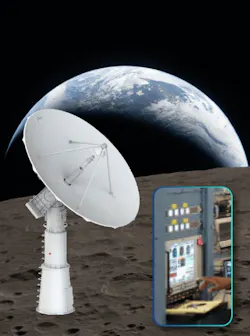
Artemis II marked NASA’s first crewed mission around the Moon in more than 50 years. It was a headline mission for NASA, for human spaceflight, and for everyone watching the return of crewed lunar exploration. But as historic as the launch was, its success depended on far more than the rocket and spacecraft alone. It also depended on the ground systems behind the mission; the systems responsible for acquiring, moving, and preserving telemetry data essential to monitoring the safety and performance of the spacecraft as it carried people back to the moon and through their record-breaking flight. That is where Delta Telemetry Systems (DTS) came in. During Artemis II, multiple DTS companies supported the telemetry chain, not with one isolated product, but with several systems working together across the ground architecture. TCS tracking antennas helped acquire telemetry from the launch vehicle so mission teams could monitor its health, status, and performance in real time. GDP TMoIP equipment helped distribute that data between NASA acquisition sites and the main telemetry stations, where it could be used by operators and engineers across the network. And in Bermuda, a Wideband RF recorder captured backup RF data alongside the live telemetry stream, preserving another layer of mission information for replay and post-mission analysis. Together, those systems helped keep critical mission data available from acquisition through transport and backup recording.
To read the entire article, visit Delta Information Systems
