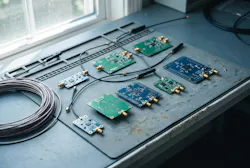
SDR Product Handbook: choosing a software-defined receiver or RTSA
ABSTRACT
The software-defined radio market is larger than one engineer can evaluate device by device, and from a distance its products look interchangeable: similar frequency ranges, similar bandwidths, and prices that cluster by class. They are not interchangeable, and the reason they look alike explains most of the differences between them. This handbook describes the landscape from the silicon up. It sets out the three receiver architectures in use, shows why so many unrelated platforms stop at the same frequency and carry the same impairments, works through what an SDR datasheet does and does not state, surveys the software that runs above the hardware, and then draws the line between a device that produces samples and an instrument that produces measurements. It ends with a selection method, two worked selections and a reference section.
WHO THIS PAPER IS FOR
RF and systems engineers choosing hardware for a monitoring, test or research system. Product architects deciding whether to buy a module or build a receiver. Researchers and teaching staff who need to know what a result from a given class of device is worth. Buyers and specifiers who have to write a requirement that several vendors can answer with a number.

How to use this handbook
This is a reference document about a market, not a catalog. It is arranged so that the physics comes before the products and the products come before the recommendations, because a datasheet can only be read once the reader knows what each number on it is free to mean.
Click here to learn more.