FAA certifies Boeing 737 MAX 10 as airlines prepare for deliveries and fleet upgrades
Key Highlights
- The FAA certified the 737 MAX 10 after more than 2,000 flight-test hours and approximately 1,000 hours of ground testing.
- The aircraft is the first commercial model certified under the Aircraft Certification, Safety, and Accountability Act of 2020.
- The MAX 10 seats 185 to 210 passengers in a typical two-class layout, with capacity for up to 230 and a range of 3,100 nautical miles.
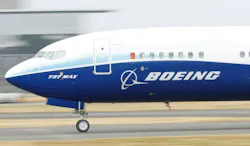
EVERETT, Wash. — The Federal Aviation Administration (FAA) certified Boeing's 737 MAX 10 on 20 October 2026, allowing the manufacturer to move toward deliveries of its largest 737 MAX variant after years of delays.
The approval follows an extensive flight-test and safety review program that included changes to the aircraft's flight-control systems. Boeing expects to begin deliveries in the coming months.
The MAX 10 expands the company’s narrowbody lineup as airlines invest in fleet modernization and onboard technology. U.S. carriers including Delta Air Lines and American Airlines are preparing for the aircraft's arrival alongside broader upgrades to inflight connectivity and entertainment systems.
Related: Boeing wins $20 billion-plus F/A-XX development contract
FAA completes aircraft certification review
Boeing conducted nearly 1,000 test flights during the MAX 10 certification program, accumulating more than 2,000 flight hours and approximately 1,000 hours of ground testing. The work included evaluations of aircraft performance and flight-control systems, along with safety assessments and design reviews.
The MAX 10 is the first commercial aircraft certified under the full requirements of the Aircraft Certification, Safety, and Accountability Act of 2020. The law introduced additional requirements for documenting safety assessments and evaluating human factors during aircraft certification.
One of the aircraft's safety improvements is an enhanced angle-of-attack system. Angle-of-attack sensors measure the angle between an aircraft's reference line and the surrounding airflow, providing information used by flight-control and other aircraft systems.
Boeing tested the enhanced system during the certification program and plans to introduce it across the 737 MAX family.
MAX 10 adds capacity to Boeing's narrowbody fleet
The MAX 10 typically accommodates 185 to 210 passengers in a two-class configuration. It can carry up to 230 passengers in a maximum-capacity arrangement and has a range of up to 3,100 nautical miles (5,740 kilometers).
The aircraft shares much of its architecture with other 737 MAX variants. That commonality allows airlines to use related maintenance procedures, equipment and parts across their fleets. Boeing reported 1,555 MAX 10 orders from more than 30 customers at the time of certification.
Boeing reported 1,555 MAX 10 orders from more than 30 customers at the time of certification, representing more than 30% of the company's outstanding 737 MAX orders.
Delta and American plan cabin technology upgrades
Delta has ordered 100 MAX 10s, with options for another 30. The carrier expects deliveries to begin in 2027 and plans to operate the aircraft from major hubs including New York, Boston and Los Angeles. The airline’s cabins will include seatback entertainment, power outlets and high-speed satellite Wi-Fi.
Delta has been expanding connectivity across its existing fleet. Delta reports that more than 95% of its aircraft are equipped with fast, free Wi-Fi, with full-fleet coverage planned for early 2027. The carrier uses multiple satellite connectivity partners to support service across domestic and international routes.
American Airlines is also investing in onboard connectivity and entertainment systems across its fleet.
Beginning in 2028, new Airbus and Boeing deliveries will receive seatback entertainment systems with 4K displays, Bluetooth audio connectivity and USB-C charging. The airline also plans to retrofit existing aircraft with the technology.
Separately, American announced plans to install Starlink satellite internet across more than 1,000 mainline aircraft, including Airbus and Boeing narrowbody and widebody fleets. Installations are scheduled to begin in early 2027.
Alaska introduces Starlink and new inflight electronics
Alaska Airlines is expanding its inflight connectivity program as it prepares to introduce the MAX 10. The carrier is installing Starlink satellite Wi-Fi across its fleet and reported that approximately 40% of aircraft included in the rollout had been equipped as of 26 October 2026.
The service is intended to support streaming, messaging and other internet applications during flights. Alaska expects to begin receiving MAX 10 aircraft in 2027, with its new Aurora-equipped configurations following in 2028.
About the Author
Samantha McGrail
Associate Editor

Voice Your Opinion!
To join the conversation, and become an exclusive member of Military Aerospace, create an account today!
 Leaders Logo
Leaders relevant to this article: