Arivor Technologies introduces two-phase liquid cooling system for high-density AI data centers
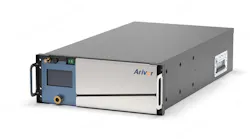
NEW TAIPEI CITY, Taiwan - Arivor Technologies introduced a rack-scale two-phase direct liquid cooling (2P DLC) system designed to support next-generation artificial intelligence (AI) data centers with power densities exceeding 100 kW per rack. The company positions the system as a cooling platform for future AI infrastructure built around increasingly power-hungry GPUs and processors.
According to Arivor, the rack-scale architecture is designed to support chips exceeding 3,000 watts and integrates cooling distribution, cold-plate, manifold, and connector technologies into a single liquid-cooling infrastructure.
The system uses a low-boiling-point coolant and a phase-change cooling process that absorbs heat as the fluid transitions from liquid to vapor. The approach is intended to increase heat-transfer efficiency compared with conventional air-cooling systems and reduce the energy required for thermal management.
At the center of the architecture is an Intelligent Phase-Change Cooling Distribution Unit (CDU), which incorporates pressure regulation and vapor-liquid separation technologies. Arivor said the CDU dynamically adjusts coolant circulation based on workload demands and can support cooling capacities of up to 200 kW per rack.
The solution also includes a two-phase cold plate designed for high-power CPUs and GPUs. The company said the cold plate uses optimized microstructures to increase heat-exchange surface area and improve cooling performance under high computational loads.
Additional components include a stainless-steel manifold system designed to distribute coolant across multiple rack nodes and dry-break quick-release connectors intended to allow maintenance activities without coolant leakage or contamination.
As AI data centers continue to increase rack densities and power consumption, liquid cooling technologies are attracting growing interest from operators seeking alternatives to traditional air-cooling approaches. Two-phase liquid cooling systems are viewed by many in the industry as a potential solution for managing the thermal demands of future high-performance computing and AI deployments.
Arivor said it plans to continue development of two-phase liquid-cooling technologies spanning chip-level thermal management, rack-scale cooling architectures, and operational safety systems.
For more information, please visit https://www.arivor.com/.