What's the difference between chaff and flares on an aircraft?
Key Highlights
- Chaff reflects radar signals with tiny metallic fibers, creating false targets to confuse radar-guided missiles.
- Flares produce intense heat to attract infrared-guided missiles away from the aircraft, acting as decoys.
- Aircraft deploy chaff and flares via dedicated dispensers, often integrated with electronic warning systems for automated response.
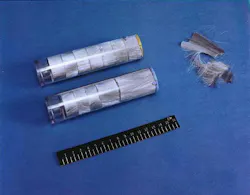
NEWTON, N.H. — Aircraft carry several systems designed to protect them from incoming missiles. Two of the most recognizable are chaff and flares, which pilots can release when an aircraft faces a potential threat.
Although both serve as defensive countermeasures, they work in different ways. Chaff interferes with radar-based tracking, while flares create heat sources intended to distract infrared-guided missiles. Understanding the difference starts with how missiles locate and follow their targets.
How do missiles track aircraft?
Missiles use different guidance systems to find and follow aircraft. Some rely on radar, which uses radio waves to detect objects and determine their position. Others use infrared sensors to detect heat emitted by aircraft engines and other surfaces. Radar-guided missiles may track a target using signals reflected from the aircraft or information supplied by another radar system. Infrared-guided missiles, often called heat-seeking missiles, use sensors that detect infrared radiation.
Because these systems look for different signals, aircraft need different ways to interfere with them. Neither chaff nor flares guarantees protection against an incoming missile.
Related: How do radar-guided counter-drone weapon systems work?
How does chaff work?
Chaff has thousands of small, lightweight fibers or strips that reflect radar signals. Manufacturers typically make them from metal or materials coated with a conductive substance. When an aircraft releases chaff, the material spreads into a cloud behind it. The individual pieces reflect incoming radar waves, creating additional radar returns that can complicate a tracking system's ability to distinguish the aircraft from its surroundings.
The goal is to interfere with the radar's ability to maintain an accurate track of the vehicle. Depending on the guidance system, the cloud may create confusing returns or cause the tracking system to lose its target.
Chaff is especially useful against certain radar-guided threats, but its effectiveness depends on factors such as the aircraft's movement, the timing of the release, the radar's capabilities and the surrounding conditions. Modern radar systems can use signal processing and other techniques to distinguish chaff from aircraft. As a result, chaff is one part of a broader defensive system rather than a reliable solution on its own.
How do aircraft flares work?
Flares address a different type of threat. Instead of reflecting radar signals, they produce intense heat to interfere with infrared missile guidance. Aircraft release flares from dispensers installed in the airframe. Once deployed, the flares ignite and produce infrared radiation to attract a heat-seeking missile's sensor.
The objective is to make the missile follow the flare rather than continue tracking the aircraft. Traditional infrared-guided missiles generally relied on detecting strong heat sources, making flares an important defensive measure. Newer missiles, however, can use more advanced infrared sensors and processing methods to recognize aircraft characteristics and distinguish them from some decoys.
This means a flare's brightness alone does not determine whether it will work. Its infrared characteristics and the circumstances of the encounter all affect its effectiveness.
How do aircraft deploy chaff and flares?
Aircraft typically carry chaff and flares in dedicated countermeasure dispensers, which release defensive material through openings in the aircraft's structure. Some systems let pilots activate countermeasures manually, while others integrate dispensers with electronic warning and defensive systems that can recommend or initiate a response when they detect a threat.
Radar warning receivers can alert crews to certain radar emissions, while missile warning systems may detect indications of an approaching missile. The aircraft's defensive systems can use this information to help determine which countermeasure is appropriate.
Chaff and flares can also work alongside electronic warfare equipment. For example, an aircraft may use electronic countermeasures to interfere with radar tracking while deploying chaff as an additional defensive measure. The level of automation varies by aircraft and mission.
Can chaff and flares stop every missile?
Some missiles use multiple sources of guidance information, making them more difficult to defeat with a single countermeasure.
Aircraft designers therefore combine chaff and flares with other defensive technologies, including electronic warfare systems, missile warning sensors and aircraft maneuvering capabilities. These systems provide crews with different ways to detect threats and respond to incoming missiles.
About the Author
Samantha McGrail
Associate Editor
Related
Voice Your Opinion!
To join the conversation, and become an exclusive member of Military Aerospace, create an account today!
 Leaders Logo
Leaders relevant to this article: