How do radar-guided counter-drone weapon systems work?
Key Highlights
- Radar systems detect small drones by analyzing radio wave reflections, but small size and environmental clutter pose detection challenges.
- Combining radar with cameras enhances target identification, with computer vision software distinguishing drones from other objects.
- Robotic weapon stations use real-time tracking data to aim and fire, adjusting for drone movement and ammunition travel time.
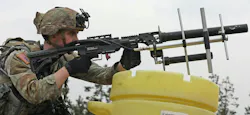
NASHUA, N.H. — Small drones can be difficult to detect and track, particularly when they fly at low altitudes or operate near obstacles. Counter-unmanned aircraft systems (C-UAS) use sensors, software and weapons to identify these threats and respond before they reach protected areas.
Radar-guided counter-drone weapon systems combine radar tracking with automated weapon stations. The radar measures a drone's position and movement, while the weapon station uses that information to locate the target and support an engagement.
These systems can protect military installations, vehicles and ships, although their effectiveness depends on the sensors and operating conditions.
Related: How do counter-drone systems operate when GPS is jammed?
How does radar detect and track a drone?
Radar systems transmit radio waves and measure the signals reflected by objects in their coverage area. By analyzing those reflections, the radar can estimate a target's distance and movement. Detecting small drones presents challenges because they have relatively small radar signatures and may fly close to the ground. Buildings, vegetation and other objects can also produce reflections that complicate detection.
Once a radar detects a potential target, its processing software analyzes successive measurements to estimate the object's position and velocity as it moves through the monitored airspace.
Some counter-drone radars use electronically scanned arrays, which steer radar beams electronically rather than relying on a mechanically rotating antenna. This allows the radar to monitor selected areas and update target information without physically moving the antenna.
How do radar and cameras work together?
Cameras provide additional visual information that helps operators or automated software examine the object more closely. A counter-drone system may use radar measurements to direct a camera toward a detected target. The camera can then collect images for further analysis.
Computer vision software examines those images to help distinguish drones from other objects. Depending on the system, it may analyze features such as an object's shape, appearance and movement.
Combining radar and cameras can minimize the need for an optical sensor to search a large area on its own. However, each sensor has limitations. Radar performance depends on factors such as target size and surrounding clutter, while cameras can struggle with poor lighting, weather and obstructed views.
Related: What is a software-defined radio, and how does it work?
How does a robotic weapon station track a drone?
A robotic weapon station uses motors, sensors and control software to aim an installed weapon. When connected to a radar, it can receive information about a drone's location and movement.
The station then uses that information to direct its sensors or weapon toward the target. As the drone changes position, updated tracking data helps the system adjust its orientation.
For example, ACS's Bullfrog robotic weapon station uses computer vision, automated control and precision robotics with existing weapons. ACS and Echodyne are working to integrate Bullfrog with Echodyne's EchoShield radar.
How does the system calculate where to aim?
A moving drone may change position between the time a weapon fires and the time its ammunition reaches the target. A counter-drone weapon station must account for that movement when determining where to aim.
Fire-control software uses target tracking information and weapon characteristics to calculate a firing solution. Depending on the system, those calculations may consider the target's estimated motion and the time ammunition takes to travel. The station can update its calculations as new tracking information arrives. Errors in a drone's estimated position or movement can affect the firing solution.
What limits radar-guided counter-drone systems?
Processing delays and tracking accuracy can affect performance. Physical obstacles may block detection, while multiple moving objects can make tracking and identification more difficult. The weapon introduces additional limits, including ammunition capacity and the ability to engage maneuvering targets.
Size, weight and power consumption also influence where these systems can operate. Equipment installed on a moving vehicle or uncrewed vessel may face different requirements from a system protecting a fixed military installation.
About the Author
Samantha McGrail
Associate Editor
Related
Voice Your Opinion!
To join the conversation, and become an exclusive member of Military Aerospace, create an account today!
 Leaders Logo
Leaders relevant to this article: