CHICAGO - Rheinmetall Air Defence AG is integrating passive radio-frequency (RF) sensors from Silvus Technologies into its Skynex ground-based air defense system and Skymaster command-and-control platform under a newly announced agreement.
The sensors will add a passive detection layer that monitors electromagnetic emissions to help identify and locate aerial platforms without transmitting signals that could reveal the sensors' positions. The capability is intended to complement radar coverage and improve air-defense operators' awareness of airborne threats, including uncrewed aircraft.
The sensors use Silvus' RFeye technology, part of the company's RF sensing and signals intelligence portfolio. RFeye systems monitor electromagnetic activity to detect, analyze, and geolocate RF emitters. The technology originated with CRFS, a specialist in RF spectrum monitoring that became part of Silvus Technologies under Motorola Solutions.
Related: Rheinmetall, ICEYE tapped for military use of its SAR satellite tech
Silvus also develops StreamCaster mobile ad hoc networking (MANET) radios for resilient tactical communications. However, the Rheinmetall agreement specifically identifies RFeye sensors for the air-defense integration.
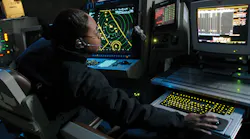
Within the Skymaster command-and-control architecture, the sensors are intended to contribute to a broader air picture and recognized electromagnetic picture (REMP), helping operators assess activity across the electromagnetic spectrum.
Passive RF detection depends on identifiable emissions and therefore cannot detect every aerial platform. The sensors are intended to complement radar and other sensing methods rather than provide a universal detection solution.
"Traditional detection methods alone can struggle with identifying new and novel threats in complex operating conditions," said Roman Köhne, CEO of Rheinmetall Air Defence AG. He said integrating passive RF sensing into Skymaster is intended to improve air defenders' ability to respond to emerging aerial threats.