How do airlines turn passenger planes into cargo aircraft?
Key Highlights
- P2F conversions adapt an existing passenger aircraft to carry freight on its main deck and in lower compartments.
- Technicians remove cabin equipment, strengthen floors and install tracks, rollers and locks to handle heavy cargo.
- A larger side cargo door requires structural reinforcement, while barriers and fire-protection systems help meet cargo safety requirements.
- In the United States, major modifications may require FAA approval through a supplemental type certificate.
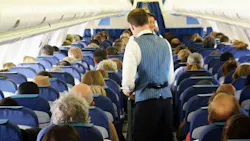
NEWTON, N.H. — Passenger airplanes sometimes find a second career carrying cargo instead of travelers. When airlines retire an aircraft from passenger service, its structure and engines may still have years of useful life remaining.
The process requires technicians to modify the cabin and install equipment that allows crews to load and secure freight.
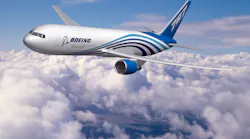
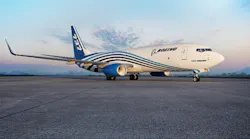
Boeing and aircraft leasing company Icelease recently announced plans to convert a Boeing 767-300 passenger aircraft into a freighter, with options for two more. The first conversion is scheduled to begin in early 2027 at ST Engineering's facilities in Singapore.
What is a passenger-to-freighter conversion?
A passenger-to-freighter conversion, generally called a P2F conversion, modifies an existing passenger aircraft to transport freight on its main deck. In a passenger airplane, the main deck contains the seats, aisles and other areas used by travelers. In a freighter, that space holds cargo pallets and containers. The aircraft can also carry freight in compartments beneath the main deck.
Most of the original aircraft remains intact, including its wings, engines and flight controls. The changes primarily affect the cargo access points and the structures that support the additional loads.
Before beginning a conversion, engineers review maintenance records and structural condition to understand whether the airframe has enough remaining service life to justify the work.
How do technicians turn a passenger cabin into a cargo hold?
Technicians begin by removing passenger seats, overhead bins, galleys and other cabin equipment. Passenger floors distribute weight across seats and rows. Cargo pallets can place much heavier loads on specific areas, so engineers must strengthen or replace floor beams and supporting structures.
Technicians then install cargo handling equipment, including rollers, tracks and locks. Ground crews use these systems to move pallets and containers through the aircraft and secure them before departure.
Why do converted freighters need larger doors?
Passenger doors are too small for many of the pallets and containers used in air cargo operations. To accommodate them, engineers install a larger cargo door along the side of the fuselage. This requires cutting an opening into the aircraft's outer structure. Because the fuselage carries loads during flight, engineers must reinforce the area surrounding the new door.
The door also needs locking mechanisms and operating systems that allow crews to open, close and secure it properly.
What safety changes are required?
A cargo aircraft must protect its flight crew from freight that could move during an emergency. Depending on the conversion design, engineers install a rigid barrier or restraint net between the flight deck and the main cargo compartment.
Unlike a passenger cabin, a freighter's main deck does not have attendants monitoring the area during flight. Engineers must address safety requirements such as fire detection systems, smoke barriers and cargo restraints to meet applicable aviation requirements.
Aviation authorities must approve the modified aircraft before it can enter cargo service. In the United States, the Federal Aviation Administration (FAA) can authorize major aircraft design changes through a supplemental type certificate, or STC. This process evaluates the modifications and their effects on the original aircraft design.
Why convert passenger planes instead of buying new freighters?
A converted aircraft can provide cargo capacity without requiring an operator to purchase a newly manufactured freighter. Whether that decision makes financial sense depends on the aircraft's purchase price, conversion cost, maintenance needs and expected years of operation.
Boeing's 767-300BCF, for example, has 24 main-deck pallet positions. The company lists a range of 3,300 nautical miles with a 57-metric-ton structural payload in its November 2026 announcement.
A newly manufactured freighter may offer advantages in fuel efficiency, payload capacity or operating life, depending on the aircraft. Operators weigh those differences against the cost and availability of converted models.
About the Author
Samantha McGrail
Associate Editor


Voice Your Opinion!
To join the conversation, and become an exclusive member of Military Aerospace, create an account today!
 Leaders Logo
Leaders relevant to this article: