Ultralife introduces hybrid lithium cells for high-power, harsh-environment applications
Key Highlights
- Combines high power output with environmental durability suitable for shock and vibration-prone environments.
- Uses lithium carbon monofluoride/manganese dioxide chemistry for reliable performance in demanding conditions.
- Ideal for military communications, detection systems, medical devices, and measurement tools operating in harsh environments.
- Potential to reduce battery pack size by lowering cell count, freeing space for sensors and electronics.
- Supports applications like pipeline inspection, measurement-while-drilling, and sensor-intensive equipment.
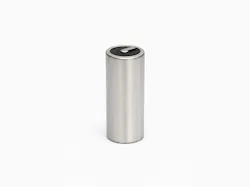
NEWARK, N.Y. - Ultralife Corp. has introduced its Electrochem HR Series hybrid primary lithium cells, designed to combine higher power and pulse capability with the environmental durability of moderate-rate cell construction.
The HR Series is intended for equipment that requires higher power output while operating in environments subject to shock, vibration, and other demanding conditions. Ultralife developed the cell architecture in response to customer requirements for a battery that could deliver higher power without sacrificing environmental durability.
Ultralife says the hybrid design combines characteristics of its moderate-rate and high-rate primary lithium battery technologies. The resulting cells are designed to provide greater power and pulsing capability than conventional moderate-rate cells while maintaining resistance to mechanical stresses associated with harsh operating environments.
The company's existing hybrid-cell technology uses lithium carbon monofluoride/manganese dioxide (Li-CFx/MnO₂) chemistry. Ultralife's published hybrid-cell products include cylindrical primary cells designed for applications including military communications, detectors, imaging, search and rescue, telematics, and medical equipment.
Potential applications for the HR Series include measurement-while-drilling tools, pipeline inspection systems, and sensor-intensive equipment operating in harsh environments.
Ultralife also says the HR Series can provide optimized capacity and a low magnetic signature and potentially reduce the number of cells required in a battery pack. Reducing cell count could enable more compact battery designs and provide additional space for sensors and electronics.
For more information, visit www.ultralifecorporation.com.
