FAA eVTOL pilot program drives demand for detect-and-avoid and sensor fusion technologies
Key Highlights
- The shift from aircraft testing to integration emphasizes the importance of systems that enable safe operation amidst existing air traffic.
- Sensor fusion combines data from radar, cameras, and navigation systems to provide a comprehensive situational awareness for eVTOLs.
- Detect-and-avoid technology is critical for maintaining safe separation from other aircraft and obstacles in complex urban environments.
- The FAA's pilot program offers real-world insights into how eVTOLs can operate safely within current airspace and infrastructure constraints.
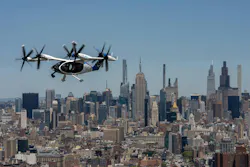
NASHUA, N.H. - For years, eVTOL developers have focused on the aircraft itself. Could it fly? How would it perform? Could it meet certification requirements?
As more companies move closer to commercial service, attention is starting to shift elsewhere. The challenge becomes figuring out how that aircraft fits into an airspace system already crowded with airliners, business jets, helicopters, and general aviation traffic.
That issue is becoming more visible through the Federal Aviation Administration's (FAA) eVTOL Integration Pilot Program. Rather than focusing solely on aircraft performance, the program is intended to help developers, regulators, and operators better understand how these vehicles interact with existing aviation procedures and infrastructure.
As a result, technologies such as detect-and-avoid systems and onboard processing are receiving increased attention. Those systems help aircraft interpret information from multiple sensors and respond to changing conditions during flight.
Related: Vertical Aerospace completes tiltrotor eVTOL transition flight with fly-by-wire control
Flying is only part of the challenge
Test flights allow engineers to evaluate aircraft performance, flight controls, and system reliability. Most of those flights take place under carefully planned conditions with dedicated support teams and limited traffic. Commercial service looks very different.
Aircraft must coordinate with air traffic control, operate around airports, and respond to unexpected situations during flight. Those requirements are driving interest in technologies that help aircraft track nearby traffic, monitor conditions, and respond to potential conflicts.
The FAA pilot program offers an opportunity to examine those challenges outside traditional flight-test campaigns. Companies can gain experience operating around existing aviation infrastructure while regulators and transportation agencies observe how new aircraft interact with established systems.
Why sensor fusion matters
One technology drawing increased attention is sensor fusion. Modern aircraft can collect information from radar systems, cameras, navigation equipment, communications networks, and other onboard sensors. Each source provides useful information, but none can provide a complete picture on its own.
Sensor fusion software combines those inputs and helps operators or onboard systems interpret what they are seeing.
Avoiding nearby traffic offers a useful example. Radar may detect an aircraft's location and movement. Cameras can provide visual confirmation. Navigation systems contribute positioning information. Together, those sources can create a more reliable understanding of surrounding traffic than any individual sensor.
The concept is not new, but it is becoming more important as aircraft developers pursue higher levels of automation and prepare for more complex operating environments.
Detect-and-avoid moves closer to everyday operations
Detect-and-avoid technology has become one of the industry's most closely watched areas of development. The goal is to identify potential conflicts early enough to maintain safe separation from other aircraft and obstacles.
While many companies have already demonstrated aspects of the technology during testing, integration programs provide an opportunity to evaluate how those systems perform during more representative missions. That distinction matters because aircraft do not operate in isolation. They operate within established traffic patterns, communications procedures, and airspace rules.
As a result, developers are increasingly evaluating how sensing systems, communications links, onboard computing, and automation software work together rather than treating them as separate technologies.
Building confidence before commercial service
Certification remains a major milestone for the advanced air mobility industry, but certification alone will not determine how quickly new aircraft enter service. Airports, operators, regulators, and local communities all need confidence that these aircraft can function safely within existing transportation networks.
Programs like the FAA's integration effort allow industry participants to answer practical questions about infrastructure, communications, traffic management, and operational procedures before large-scale commercial deployment begins.
For many developers, the conversation is no longer focused solely on aircraft performance. Increasingly, the focus is turning to the systems that help aircraft navigate busy airspace, communicate with surrounding infrastructure, and operate predictably alongside existing aviation traffic.
Those capabilities may ultimately play a major role in determining how quickly advanced air mobility moves from demonstration flights to routine transportation services.
About the Author
Samantha McGrail
Associate Editor
Related
Voice Your Opinion!
To join the conversation, and become an exclusive member of Military Aerospace, create an account today!
 Leaders Logo
Leaders relevant to this article: