How is the FAA modernizing aging air traffic control systems?
Key Highlights
- The first phase covers 13 programs, including voice switches, digital radios, radar components, electronic flight strips and controller training systems.
- The FAA aims to finish the first phase by December 2028, accelerating some projects by years.
- The GAO found that 11,389 project schedules had not been combined into an integrated master schedule.
- The FAA estimated first-phase systems modernization would cost about $10.6 billion, roughly $1.6 billion above its initial allocation.
- Auditors recommend a reliable lifecycle cost estimate and coordinated schedule to help manage installation risks at operating facilities.
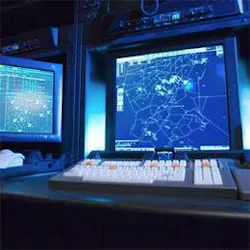
WASHINGTON — The Federal Aviation Administration (FAA) plans to replace aging radar systems, voice switches, and other air traffic control technology. The agency launched its Brand New Air Traffic Control System (BNATCS) initiative in May 2025 to address equipment that has become increasingly difficult to maintain.
Federal auditors have questioned whether the agency has the scheduling and financial plans needed to complete the work. In September, the Government Accountability Office (GAO) reported that the FAA “lacked a comprehensive cost estimate” and an “integrated schedule” for the program. The findings come as the agency manages multiple equipment upgrades at facilities that must remain operational throughout installation and testing.
Related: FAA investigates network failure that grounded flights nationwide
What systems will the FAA modernize?
The first phase of BNATCS includes 13 programs covering communications, aircraft surveillance, weather monitoring, automation and controller training. The FAA plans to replace 450 legacy voice switches with IP-enabled equipment and install digital radio systems at 1,581 sites. Voice switches allow controllers to access the radio frequencies and communications circuits used to coordinate aircraft movements.
Surveillance upgrades include replacing primary electronic components in radar systems and installing updated airport surface movement radars. Other projects will improve how controllers receive and manage flight information, including a new display system that combines information from multiple sources. The agency also plans to introduce electronic flight strips through its Terminal Flight Data Manager program.
Electronic flight strips replace paper records that controllers use to track aircraft movements and coordinate departures and arrivals. Other upgrades include weather observation systems, cameras and tower simulation equipment for controller training.
Related: Why does the FAA still rely on copper communications lines?
How will modernization affect commercial aviation?
The FAA's planned upgrades could improve how controllers monitor aircraft, manage airport traffic and coordinate departures and arrivals.
Updated surveillance equipment would provide controllers with additional information about aircraft movements, particularly at busy airports. Electronic flight-data systems could also lessen reliance on paper records and improve information sharing between control facilities.
For airlines, the benefits would depend on how effectively the FAA integrates the new technology into existing operations. Modernization could help improve traffic management and reduce disruptions associated with aging equipment, although the upgrades alone would not eliminate flight delays.
Why is the FAA accelerating these projects?
The FAA has struggled to modernize air traffic control equipment for decades. Some systems have remained operational long after manufacturers discontinued support for their components. In September 2024, the GAO found that more than 75% of the FAA's 138 air traffic control systems were unsustainable or potentially unsustainable.
The assessment considered equipment condition, maintenance requirements, replacement-part availability and manufacturer support. BNATCS seeks to shorten several modernization schedules substantially.
For example, the FAA previously expected to finish replacing legacy voice switches in September 2037. Under the new program, it plans to complete that work by November 2028. The shorter timelines require the FAA to coordinate equipment deliveries, installation crews, operational testing and controller training across many facilities.
What concerns has the GAO identified?
The GAO's September 2026 report found that the FAA maintained 11,389 individual project schedules for the first phase of BNATCS without combining them into an integrated master schedule.
Without a coordinated schedule, installation work at the same facilities could overlap, increasing the risk of operational disruptions. The FAA has worked with systems integrator Peraton to develop an AI-based scheduling tool, but the GAO reported that the tool was still undergoing testing as of May 2026.
Federal auditors also questioned whether the FAA had adequately accounted for the program's full costs. The agency provided preliminary estimates for individual projects but could not supply the supporting analysis for some calculations. Those numbers also excluded certain government expenses and most first-phase operating costs.
The GAO recommended that the agency develop a reliable lifecycle cost estimate and an integrated master schedule.
How much will the modernization program cost?
Congress appropriated $12.5 billion for air traffic control modernization in July 2025, including approximately $9 billion for BNATCS systems modernization. In June 2026, the FAA estimated that the first phase would require approximately $10.6 billion for systems modernization, exceeding the initial allocation by approximately $1.6 billion. The agency plans to cover part of that difference through other appropriations.
The agency expects a second phase to develop new automation capabilities for tracking aircraft and managing traffic. FAA officials estimated that work would require another $10.2 billion, excluding facilities.
Can the FAA finish the first phase by 2028?
The FAA has accelerated several modernization projects, but the GAO has raised concerns about whether the agency can meet its deadlines without better scheduling and cost estimates.
The FAA continues to target December 2028 for the first phase of BNATCS. However, its ability to meet that deadline will depend on how effectively it manages the remaining projects and addresses the planning problems identified by federal auditors.
About the Author
Samantha McGrail
Associate Editor


Voice Your Opinion!
To join the conversation, and become an exclusive member of Military Aerospace, create an account today!
 Leaders Logo
Leaders relevant to this article: