How do airplanes stop on a runway after landing?
Key Highlights
- Commercial airplanes use wheel brakes, spoilers and reverse thrust to slow down after landing
- Spoilers reduce lift and increase friction between the tires and runway, improving braking performance.
- Automatic braking and anti-skid systems help control deceleration and prevent wheels from skidding.
- Aircraft weight, landing speed, weather and runway conditions affect how much distance an airplane needs to stop.
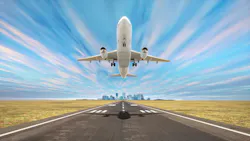
NASHUA, N.H. — When a commercial airplane lands, its wheels may touch the runway while the plane is still traveling well over 100 mph. Pilots must then bring the aircraft, which weighs thousands of pounds, down to a safe taxi speed before leaving the runway.
The wheel brakes do much of that work, but commercial jets also use panels on their wings to reduce lift, and many use engine thrust reversers to help slow down. Electronic braking systems manage how much pressure the brakes apply and help prevent the wheels from skidding.
Each system serves a different purpose, and the amount of stopping power available depends on the aircraft, its landing speed and the condition of the runway.
Related: How engineers test aircraft landing gear before certification
What happens when an airplane touches down?
The landing process begins before the wheels reach the pavement. Pilots approach the runway at a speed calculated for the aircraft's configuration and operating conditions. They also plan where the plane should touch down so enough runway remains for deceleration.
As the main landing gear hits the ground, the plane transitions from flying to rolling. The pilots reduce engine thrust and begin using the systems designed to slow the airplane. On many commercial jets, ground spoilers deploy automatically after touchdown when the aircraft meets the required conditions.
The timing of these actions matters. An aircraft that touches down farther along the runway has less pavement available to stop. Delays in deploying braking systems can also increase the distance needed.
The Federal Aviation Administration (FAA) emphasizes touchdown position and prompt use of deceleration systems when discussing how pilots can prevent runway overruns.
How do airplane wheel brakes work?
Many large jets have multiple wheels on each main landing gear assembly, so forces are distributed across several tires. The brakes work through friction. When hydraulic pressure activates the assemblies, stationary and rotating surfaces press together, resisting wheel rotation and converting the aircraft's motion into heat.
Large commercial aircraft commonly use multi-disc brake assemblies rather than the simpler arrangements found on passenger cars. Some aircraft also use carbon brake materials that can withstand the high temperatures produced during heavy braking.
The amount of heat can be substantial, especially after a high-speed landing or rejected takeoff. Aircraft manufacturers establish brake temperature limits and inspection procedures to account for those conditions.
Pilots can apply the brakes manually using pedals in the cockpit. Many commercial jets also have automatic braking systems, commonly called autobrakes, that apply braking to achieve a selected slowdown rate after touchdown.
Autobrakes allow consistent braking without requiring pilots to control every change in brake pressure. The selected setting depends on factors such as runway length, expected conditions and the aircraft's operating procedures.
What do spoilers do after landing?
Passengers sitting near an aircraft's wings may notice several rectangular panels rise shortly after the wheels touch down. These panels are called spoilers. During flight, the wings generate lift that keeps the vehicle airborne. After landing, that lift becomes less useful because the airplane needs to transfer its weight onto the wheels.
Spoilers disrupt airflow over the wings, minimizing lift and boosting aerodynamic drag. With more of the plane’s weight resting on the landing gear, the tires can develop greater friction against the runway.
On many aircraft, sensors and control systems determine when the ground spoilers can deploy automatically. Pilots monitor their operation and follow procedures if the automatic system does not respond as expected.
How does reverse thrust slow an airplane?
Another familiar part of landing is the change in engine noise shortly after touchdown. On many commercial jets, that sound comes from the pilots selecting reverse thrust. During normal flight, jet engines produce thrust that pushes the aircraft forward. Thrust reversers redirect part of the engine's airflow to create a force that opposes the aircraft's forward motion.
Different engines use different mechanisms. Many modern turbofan engines have movable structures that redirect bypass air forward and outward when the reversers deploy.
Reverse thrust generally provides the greatest benefit at higher speeds. As the plane slows, its contribution to deceleration decreases, and pilots reduce or discontinue reverse thrust according to the aircraft's operating procedures.
Not every airplane has thrust reversers, though. Aircraft without them rely on their available braking systems and aerodynamic drag to slow down.
How do airplanes prevent their wheels from skidding?
If a wheel slows too much or locks while the aircraft is moving, its tire can begin sliding across the runway. That lessens braking effectiveness and can make directional control more difficult. To manage this problem, many commercial planes use electronic anti-skid systems.
Wheel-speed sensors send data to the braking system, which monitors wheel rotation during deceleration. When the system detects conditions associated with an impending skid, it adjusts brake pressure to help the tires maintain traction. The process happens automatically and can repeat as runway conditions change.
Anti-skid and autobrake systems perform related but different jobs. Autobrakes control the requested slowdown, while anti-skid systems limit braking pressure when necessary to prevent wheel skidding.
Together, they help the aircraft use the traction available without exceeding what the tires and runway can support.
Why do wet or icy runways make stopping harder?
An aircraft's stopping distance depends partly on friction between its tires and the runway. On dry pavement, the tires tend to provide enough traction for the wheel brakes to produce strong deceleration. Snow and ice, for example, can lower that traction.
Standing water can also cause hydroplaning, a condition in which a layer of water interferes with contact between the tires and pavement. When that happens, braking and directional control can deteriorate. Anti-skid systems help manage wheel braking, but they cannot create traction that the runway surface does not provide. Reverse thrust can become very important on slippery runways because its braking force does not depend directly on tire-to-pavement friction.
Aircraft weight, wind, approach speed and runway slope also affect the calculation. A heavier aircraft generally requires more energy to stop during landing, while a tailwind boosts groundspeed and can extend the stopping distance.
How do pilots know they have enough runway to stop?
Before landing, pilots use aircraft performance data to determine whether the available runway provides enough distance to stop safely. Once the plane slows to a safe taxi speed, the pilots leave the runway and continue toward the terminal or parking area.
Although passengers may notice the spoilers rising or hear the engines change pitch, most of the stopping process takes place through systems they cannot see. Wheel-speed sensors, brake controls, hydraulic equipment and aircraft computers work alongside the pilots to manage deceleration.
About the Author
Samantha McGrail
Associate Editor

Voice Your Opinion!
To join the conversation, and become an exclusive member of Military Aerospace, create an account today!
 Leaders Logo
Leaders relevant to this article: